Introduction
In today’s world, the concepts of martial law and popular culture representations like Law and Order: SVU play significant roles in shaping public understanding of justice, order, and authority. While martial law is a serious government measure that temporarily replaces civilian authority with military control during emergencies, Law and Order SVU (Special Victims Unit) is a long-running American television series that explores complex criminal cases, particularly those involving sexual crimes and justice for victims.
Both these terms, though belonging to very different domains—real-world governance and television entertainment—are connected by a common thread: the pursuit of law and order. This article explores both martial law and Law and Order: SVU in depth, highlighting their meanings, importance, and impact on society.
What is Martial Law?
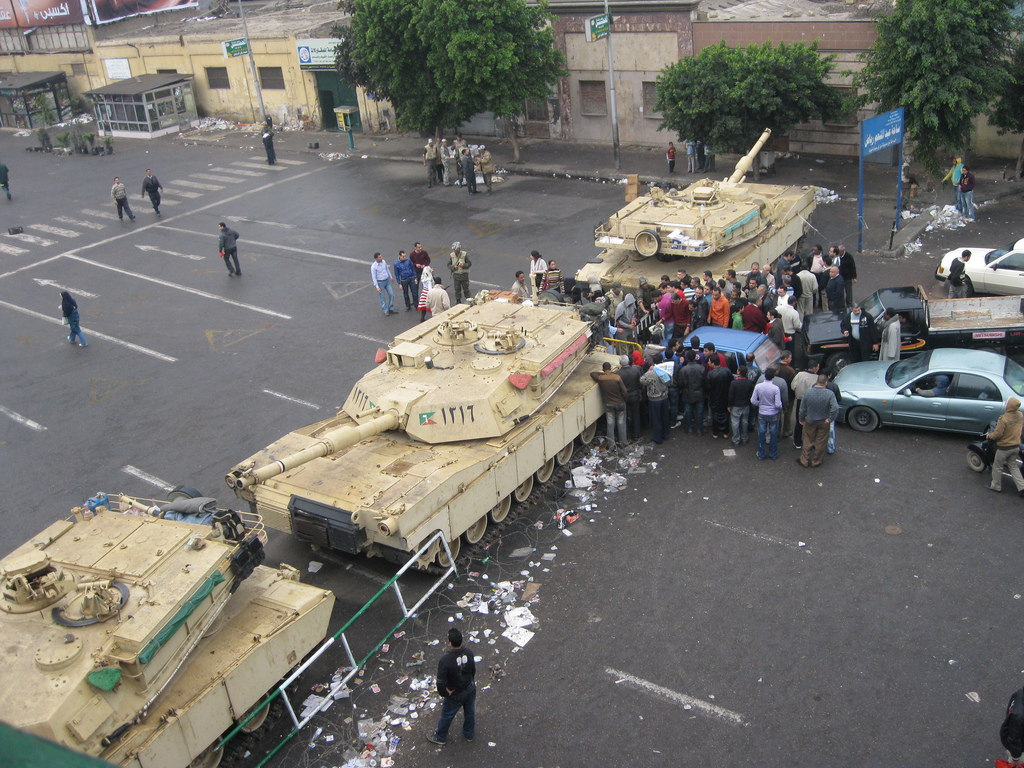
Martial law is an emergency measure declared by a government when civil authorities are unable to maintain public order or national security. Under martial law, military authorities take control of normal administration, replacing or assisting civil institutions. This extraordinary step is usually taken during situations such as war, rebellion, natural disasters, or large-scale riots.
Historically, martial law has been implemented in many countries when chaos or rebellion threatened stability. During martial law, the military enforces curfews, restricts movement, censors media, and can even try civilians in military courts. Though it ensures immediate control, it often raises debates about human rights and constitutional limits.
The idea behind martial law is to restore peace and law and order quickly, but critics argue that it can be misused by governments to suppress dissent and limit freedom. Understanding martial law requires balancing between maintaining national security and protecting civil liberties.
When and Why Martial Law is Declared
Governments declare martial law only under extreme circumstances when ordinary laws fail. Common reasons include:
-
Widespread Riots and Civil Disorder – When large-scale unrest or riots threaten citizens’ safety and normal law enforcement cannot control the situation.
-
War or Invasion – In wartime, martial law ensures military efficiency and national defense.
-
Natural Disasters – Severe disasters like earthquakes or hurricanes may require martial law if they disrupt law enforcement systems.
-
Political Unrest – Some regimes declare martial law to maintain power or suppress revolts.
Countries like the Philippines, Thailand, and Pakistan have experienced martial law in the past, each case highlighting both its necessity and dangers.
While martial law provides immediate control, it must be temporary. Democratic systems often include legal checks to ensure martial law is lifted once peace is restored.
Law and Order: SVU – A Reflection of Justice
In contrast to real-world governance, Law and Order: SVU focuses on justice through storytelling. Premiering in 1999, Law and Order: SVU is a television drama series that deals with sensitive crimes, especially sexual assault, domestic violence, and child abuse. It showcases the tireless work of detectives, lawyers, and prosecutors who seek justice for victims often ignored by the system.
Law and Order: SVU has become one of the longest-running TV dramas in history. The show combines powerful storytelling with legal accuracy, portraying how police and prosecutors navigate ethical dilemmas while enforcing justice. The main character, Olivia Benson, symbolizes compassion, strength, and dedication to victims—a central theme that resonates with millions of viewers.
Themes and Impact of Law and Order: SVU
Law and Order: SVU is not just entertainment; it’s an educational and social influence. Some of its main contributions include:
-
Raising Awareness – The show brings attention to real-world crimes such as sexual violence, child exploitation, and harassment.
-
Empowering Victims – By focusing on survivors’ perspectives, Law and Order: SVU helps destigmatize conversations about assault and trauma.
-
Depicting Legal Systems – The series accurately portrays investigations, trials, and the challenges faced by law enforcement and legal professionals.
-
Encouraging Reform – Many episodes have inspired public discussions and reforms in how police departments handle sensitive crimes.
Through its gripping episodes, Law and Order: SVU bridges the gap between law, justice, and public awareness, making legal issues more understandable to ordinary viewers.
Comparing Martial Law and Law and Order: SVU
Though martial law and Law and Order: SVU operate in different realities—one being a governmental tool, the other a fictional show—they share a fundamental focus on law and order.
| Aspect | Martial Law | Law and Order: SVU |
|---|---|---|
| Nature | Real-world emergency government policy | Television drama series |
| Purpose | Restore order during chaos or rebellion | Explore and solve crimes related to abuse and justice |
| Authority | Military takes control of governance | Police and prosecutors pursue justice within the law |
| Impact | Can restrict freedoms temporarily | Educates and influences public understanding of justice |
| Duration | Temporary during emergencies | Ongoing as an entertainment and awareness medium |
While martial law focuses on maintaining order through power and control, Law and Order: SVU emphasizes achieving justice through empathy, investigation, and the rule of law.
The Role of Law in Society
Both martial law and Law and Order: SVU highlight how essential law is in maintaining civilization. Law ensures fairness, justice, and equality, while order provides safety and stability. Without law, society would descend into chaos; without order, justice could never be implemented.
Martial law demonstrates what happens when civil systems fail, while Law and Order: SVU reminds us how those systems should function under normal conditions. Together, they reflect the dual nature of law—discipline and compassion.
Controversies and Criticisms
Despite its necessity, martial law often faces criticism for human rights violations and abuse of power. Many citizens fear that martial law can be used to silence opposition and limit freedom of speech. Therefore, its declaration must always be monitored by courts or legislative bodies.
Similarly, Law and Order: SVU has faced debates about its portrayal of police work and trauma. Some critics argue that the show sometimes dramatizes crimes or simplifies legal outcomes. However, the creators of Law and Order: SVU often consult legal experts and survivors to maintain authenticity.
Cultural and Global Influence
Globally, Law and Order: SVU has shaped how people perceive justice systems. It has inspired adaptations in multiple countries and has created a strong awareness of how sensitive crimes should be handled. The show’s long-standing success proves society’s fascination with crime, justice, and morality.
Meanwhile, martial law remains a significant part of world history. Every instance teaches valuable lessons about governance, freedom, and responsibility. When used justly, martial law can save nations from collapse; when misused, it can lead to tyranny.
Conclusion
In conclusion, both martial law and Law and Order SVU serve as mirrors reflecting humanity’s struggle between order and chaos, authority and justice. Martial law represents the extreme side of governance—where the military ensures survival during crises—while Law and Order: SVU symbolizes the compassionate side of justice—where individuals fight for truth and victim rights.
By studying martial law and engaging with Law and Order: SVU, we gain a deeper understanding of how laws protect societies and how justice must be pursued with both strength and empathy. Whether in real governance or dramatized storytelling, the ultimate goal remains the same: maintaining law and order in a world that constantly challenges both.
